
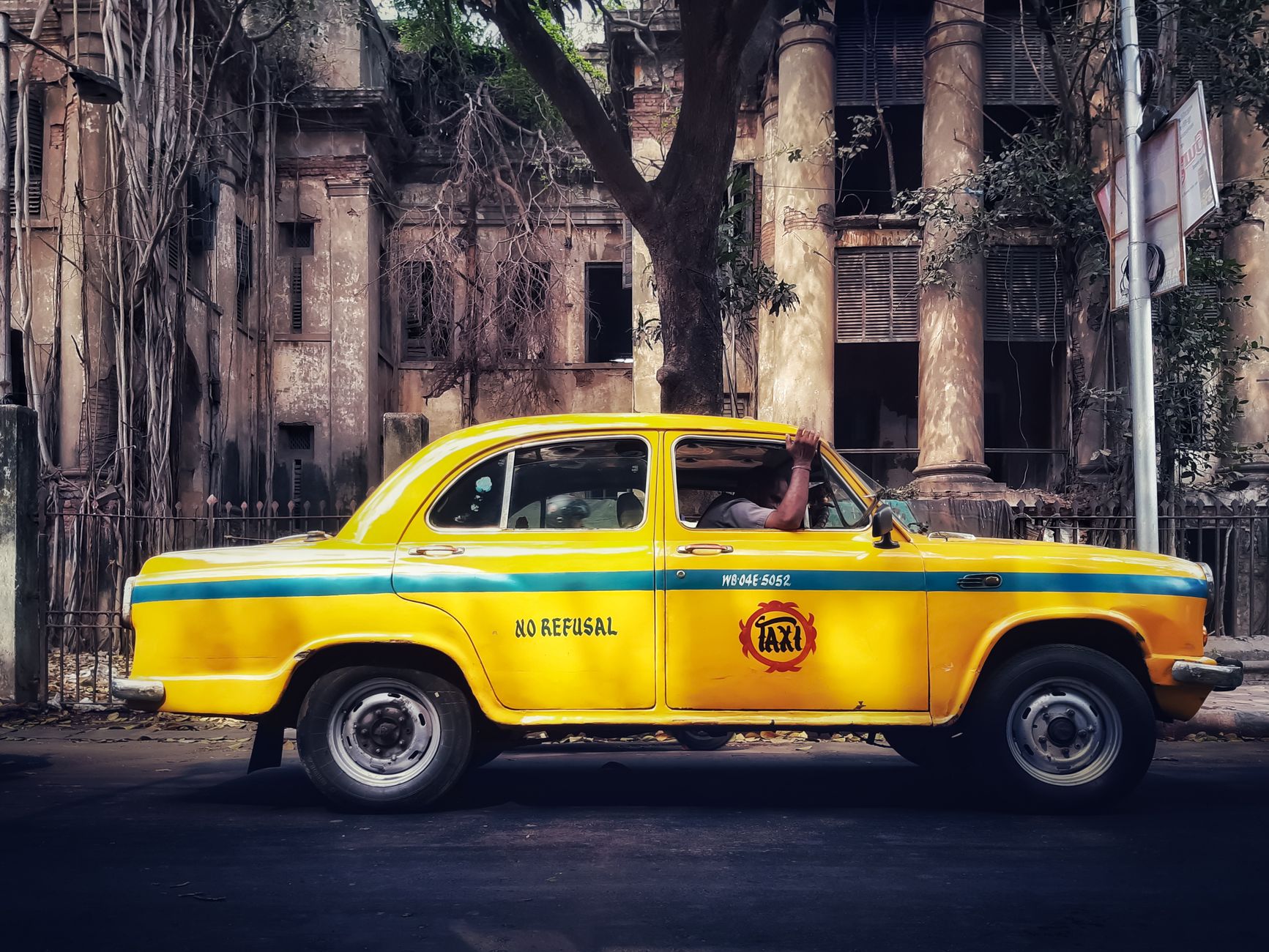
The liquor ban West Bengal will be enforced on Ashtami during Durga Puja, marking a significant policy change announced by CM Suvendu Adhikari. This decision aims to promote a safe and respectful celebration of the festival.
Overview of the Liquor Ban
The Chief Minister of West Bengal, Suvendu Adhikari, has announced a historic move to impose a complete liquor ban in the state during the auspicious occasion of Durga Puja. This decision marks a significant step in promoting cultural values and ensuring a safe environment for the festivities.
The liquor ban will be implemented specifically on Ashtami, one of the most important days of the Durga Puja celebrations. The CM emphasized that this initiative aims to uphold the sanctity of the festival and cater to the sentiments of the local populace.
Key points regarding the liquor ban in West Bengal include:
- The ban will be effective on Ashtami, coinciding with one of the peak days of celebration.
- This initiative is seen as a way to curb alcohol-related incidents during the festival.
- Community leaders and local organizations have expressed their support for the move.
- The government plans to enforce strict measures to ensure compliance with the ban.
Overall, the liquor ban is poised to create a more family-friendly and respectful atmosphere during one of the most beloved festivals in West Bengal.
Impact on Durga Puja Celebrations
The recent announcement of a complete liquor ban in West Bengal during the Durga Puja celebrations has stirred significant conversations among locals and visitors alike. This decision, made by Chief Minister Suvendu Adhikari, aims to enhance the sanctity of the festival, particularly on Ashtami, a day of great significance in the Durga Puja calendar.
Many community leaders and residents have expressed support for the liquor ban, viewing it as a positive step towards fostering a more family-friendly environment. Durga Puja, celebrated with immense fervor, is a time when families come together to honor the goddess Durga, and the absence of alcohol is expected to contribute to a more respectful atmosphere.
However, the liquor ban has also raised concerns among business owners who rely on the festival’s influx of visitors. The hospitality industry, in particular, may feel the pinch as many revelers traditionally indulge in local beverages during the festivities.
Overall, the impact of the liquor ban on West Bengal’s Durga Puja celebrations remains to be seen, as many hope it will result in a more spiritually uplifting experience for all participants.
Public Reaction to the Ban
The recent announcement of a complete liquor ban in West Bengal during the Durga Puja festivities has sparked a range of reactions from the public. Many residents have expressed their support for the move, believing it will lead to a more respectful and family-oriented celebration. Local shopkeepers, however, are worried about potential losses in revenue, as the sale of liquor typically peaks during festive occasions.
One resident, Anjali Ghosh, stated, “This ban will help us focus on the spiritual aspects of Durga Puja rather than the distractions that alcohol can bring.” Conversely, Rajesh Kumar, a local bar owner, lamented, “This complete liquor ban will hit small businesses hard, especially during one of our busiest times of the year.”
Social media has also become a platform for discussions, with many users sharing their thoughts on the liquor ban in West Bengal. Some praised the government’s decision as a step towards promoting a healthier lifestyle, while others criticized it as an infringement on personal freedoms.
As the festivities approach, it remains to be seen how this ban will affect the overall atmosphere of Durga Puja celebrations.
Government’s Justification for the Ban
The West Bengal government has provided a detailed justification for the newly announced liquor ban during the Durga Puja festivities. Chief Minister Suvendu Adhikari emphasized the need for a peaceful and respectful environment during the Ashtami celebrations, highlighting the cultural significance of the festival.
According to the government, the complete liquor ban aims to:
- Preserve Cultural Traditions: The ban is intended to maintain the sanctity of Durga Puja, allowing devotees to engage in rituals without distractions.
- Enhance Public Safety: Officials believe that prohibiting alcohol will reduce incidents of public disorder and ensure a safer environment for families celebrating together.
- Promote Responsible Celebrations: The government encourages a culture of sobriety during this significant time, reinforcing the importance of mindfulness and respect in religious events.
Furthermore, the government plans to implement strict monitoring measures to ensure compliance with the liquor ban, aiming to set a precedent for future celebrations in West Bengal.
Historical Context of Liquor Laws
The historical context of liquor laws in West Bengal reveals a complex relationship between culture, tradition, and governance. Over the years, the state has oscillated between liberal and restrictive approaches to alcohol consumption. In the early 20th century, during the British colonial rule, liquor laws were primarily aimed at controlling the consumption among the native population. Following independence, the focus shifted towards regulating the industry and ensuring responsible consumption.
In recent decades, various administrations have implemented selective bans during religious festivals, with significant emphasis on Durga Puja. These temporary restrictions were often enforced to align with the cultural sentiments of the populace. However, the new complete liquor ban announced for Ashtami during Durga Puja marks a significant shift in policy.
This decision is not merely a continuation of past practices but reflects a broader commitment to uphold traditional values while addressing community concerns regarding public behavior during festivities. The liquor ban in West Bengal aims to foster a more respectful atmosphere during one of the most revered times of the year, emphasizing the state’s dedication to preserving its cultural heritage.
Future Implications for West Bengal
The recent announcement of a complete liquor ban in West Bengal has sparked discussions about the future implications for the state. As the government implements this new regulation, several factors will likely come into play that could shape societal norms and economic conditions.
Firstly, the liquor ban could lead to a shift in public behavior, particularly during significant festivals like Durga Puja. With the prohibition in place, communities may find alternative forms of celebration and bonding, potentially fostering a more family-oriented atmosphere. However, this could also result in increased underground activities related to alcohol production and distribution, posing challenges for law enforcement.
Secondly, the ban may impact local businesses that traditionally benefit from alcohol sales. Bars, restaurants, and vendors could face financial difficulties, prompting a reconsideration of their business models. As a result, the liquor ban in West Bengal may create a ripple effect in the local economy.
Finally, public health may see both positive and negative repercussions. While the ban could reduce alcohol-related incidents, it may also lead to increased consumption of illicit substances. The long-term effects of the liquor ban will depend heavily on how these various factors unfold in the coming months.
The recent liquor ban West Bengal aims to address the rising concerns about public health and safety. As authorities implement the liquor ban West Bengal, many residents are adjusting to the new regulations.
Photo by Monojit Dutta on Pexels
Read the original
Related stories
AI-powered phygital banking: India’s first branch opens with Smart features · Predicting Enemy Movement in Action Titles · What Bitcoin roulette winning tips help players stay ahead?