
FDA drug approval is a critical process, but recent discussions suggest it may not be as straightforward as it seems. The agency’s potential move to revoke approval raises important questions about drug safety and efficacy.
Understanding FDA Drug Approval Process
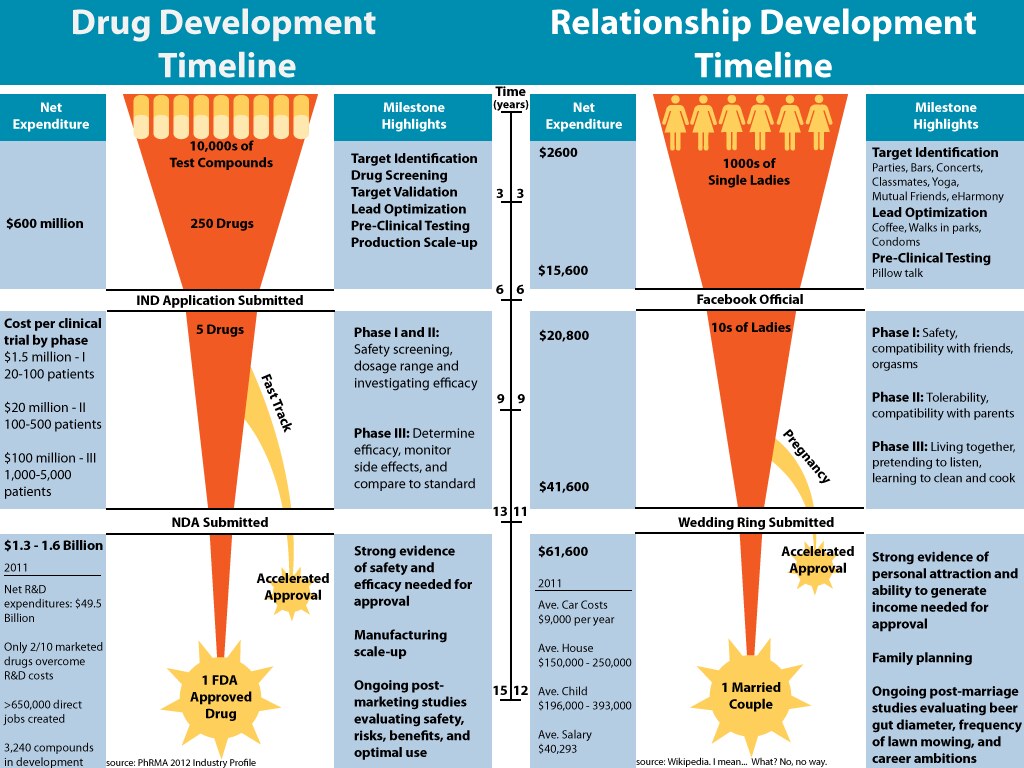
The FDA drug approval process is a complex and critical pathway that ensures medications are safe and effective for public use. This process involves multiple phases, each designed to rigorously assess the potential benefits and risks of a new drug.
Initially, pharmaceutical companies conduct laboratory research and preclinical testing to evaluate the drug’s effects on cells and animals. Once sufficient data is gathered, the company submits an Investigational New Drug (IND) application to the FDA, which includes details about the drug’s formulation, manufacturing, and proposed clinical trial protocols.
Upon approval of the IND, clinical trials commence, typically divided into three phases:
- Phase 1: Focuses on safety, determining the drug’s effects on a small group of healthy volunteers.
- Phase 2: Expands the study to a larger group of patients to assess effectiveness and further evaluate safety.
- Phase 3: Involves thousands of participants and aims to confirm the drug’s efficacy while monitoring adverse reactions.
After successful trials, the company submits a New Drug Application (NDA) for FDA review. The FDA evaluates the data, and if deemed satisfactory, grants approval. However, this process can be contentious, as seen in recent discussions regarding the retraction of previous approvals due to safety concerns.
Implications of Revoking Drug Approval
The implications of revoking drug approval by the FDA can be far-reaching and complex. When the FDA decides to withdraw its approval of a drug, it does not only challenge the credibility of the agency but also impacts patients who rely on the medication for their health and well-being.
One of the most critical aspects is the effect on patients currently using the drug. These individuals may experience a sudden lack of access to what they perceive as a necessary treatment. This can lead to:
- Health Risks: Patients may face worsened health conditions if they cannot find suitable alternatives.
- Psychological Impact: The uncertainty surrounding the drug’s availability can cause anxiety and stress for users and their families.
- Financial Consequences: Switching to different medications can lead to higher out-of-pocket costs for patients.
Additionally, revoking FDA drug approval can create a ripple effect within the pharmaceutical industry. It may discourage manufacturers from investing in similar treatments due to fear of future rejections or withdrawals. This can stifle innovation and limit the options available for patients suffering from various ailments.
Ultimately, the complexities surrounding the FDA drug approval process necessitate careful consideration and assessment before any decision to revoke a drug’s approval is made.
Historical Context of FDA Decisions
The history of FDA drug approvals is marked by significant milestones that have shaped modern medicine. Since its inception, the FDA has been tasked with ensuring the safety and efficacy of drugs before they reach the market. This responsibility has evolved, particularly in response to public health crises and scientific advancements.
In the early 20th century, the FDA’s role was limited, with few regulations governing drug safety. However, the 1938 Federal Food, Drug, and Cosmetic Act expanded its authority, requiring pre-market safety testing. This was a pivotal moment, as it marked the beginning of a more rigorous approval process.
Throughout the decades, the agency has faced challenges that have tested its decision-making capabilities. High-profile drug withdrawals, such as the case of thalidomide in the 1960s, underscored the importance of stringent review processes. The FDA drug approval system was further refined in the 1990s with the introduction of the Prescription Drug User Fee Act, which aimed to expedite the review process while maintaining safety standards.
Despite these advancements, the FDA’s decisions remain contentious. Critics argue that the agency sometimes prioritizes speed over thoroughness, potentially endangering public health. As the agency considers revoking the approval of certain drugs, the historical context of its decisions brings forward questions about accountability and public trust.
Patient Perspectives on Drug Safety
As the FDA drug approval process faces scrutiny, patients’ voices are increasingly at the forefront of the debate surrounding drug safety. Many patients who have benefited from approved medications express deep concern over potential revocations. They argue that the complexities and risks associated with withdrawing a drug can have devastating effects on their lives.
Patients often share their stories about how certain drugs have transformed their health, providing relief from chronic pain, alleviating symptoms of mental health disorders, or even extending life expectancy. The emotional toll of losing access to these medications can be overwhelming, leading to feelings of anxiety and helplessness.
Among the key concerns raised by patients are:
- Disruption of Treatment: Many individuals depend on specific medications to manage their conditions effectively. The sudden removal of these drugs could lead to a health crisis for these patients.
- Limited Alternatives: In some cases, there are few alternative treatments available, making the withdrawal of a drug particularly alarming.
- Trust in the FDA: Patients often question the FDA’s motives, fearing that the drug approval process may prioritize pharmaceutical profits over patient safety.
Ultimately, patient perspectives highlight the need for a balanced approach that considers both safety and the real-world implications of FDA drug approval decisions.
Expert Opinions on FDA’s Role
Experts have mixed opinions on the FDA’s role in drug approval, particularly when it comes to ensuring public safety while fostering innovation. Some argue that the FDA drug approval process is essential for protecting patients from potentially harmful treatments. Dr. Lisa Montgomery, a pharmaceutical researcher, emphasizes that “the rigorous testing required by the FDA helps to identify drugs that are both safe and effective before they reach the market.”
However, others criticize the process for being overly bureaucratic. Dr. James Roberts, a healthcare policy analyst, states, “While the intention behind the FDA’s drug approval is noble, the lengthy timelines often delay access to life-saving medications.” This sentiment resonates with patients and healthcare providers who feel that urgent needs may be overlooked.
Moreover, some experts argue that the FDA must adapt to the rapidly changing landscape of medical science. Dr. Natasha Kim, a clinical pharmacologist, suggests that “the FDA should implement more flexible pathways for drug approval to keep pace with advancements in technology and treatment methodologies.”
As debates continue, the question remains: is the FDA drug approval process still fit for its purpose? The ongoing dialogue emphasizes the need for a balance between rigorous safety measures and timely access to crucial therapies.
Future of Drug Approvals in the US
The future of drug approvals in the US is a topic of significant debate, particularly in light of recent controversies surrounding the FDA drug approval process. As new therapies emerge and health challenges evolve, the FDA faces mounting pressure to balance innovation with safety.
One major consideration is the speed at which drugs are brought to market. The accelerated approval pathways, while beneficial for bringing treatments to patients quickly, have raised concerns about the robustness of the data supporting these approvals. Critics argue that the FDA must ensure a rigorous evaluation process to avoid potential pitfalls associated with hastily approved drugs.
Furthermore, the evolving landscape of pharmaceutical research, including gene therapies and personalized medicine, presents unique challenges for the FDA. These new modalities often lack the traditional clinical trial structures, complicating the approval process.
Another factor is public trust. As patients become more informed and engaged, their perspectives on drug safety and efficacy are crucial. The FDA must navigate these expectations while maintaining its commitment to protecting public health.
- Increased emphasis on post-marketing surveillance
- The role of real-world evidence in decision-making
- Enhanced collaboration with pharmaceutical companies
In conclusion, the future of drug approvals in the US hinges on the FDA’s ability to adapt and innovate while ensuring patient safety remains paramount.
Challenges Facing the FDA Today
The landscape of drug approval is fraught with challenges that the FDA must navigate to ensure the safety and efficacy of medications. One significant issue is the balance between accelerated drug approval processes and the rigorous testing traditionally required. The FDA often faces pressure to expedite approvals for treatments that could save lives, especially in critical areas like oncology and rare diseases.
Moreover, the rapid advancement of biotechnology and personalized medicine poses additional hurdles. As new therapies emerge, the FDA must adapt its regulatory frameworks to accommodate innovative treatments while maintaining public safety. This constant evolution can lead to inconsistencies in approval standards, creating confusion among healthcare providers and patients alike.
Another challenge is the growing skepticism regarding the pharmaceutical industry. Concerns about transparency and potential conflicts of interest have led to calls for more stringent oversight of the FDA’s drug approval process. Critics argue that the agency may prioritize speed over thorough evaluation, raising questions about the long-term effects of newly approved drugs.
Finally, the FDA must address public trust in its decision-making. Ensuring that patients feel confident in the safety of medications is paramount. This trust is essential, particularly when the FDA considers revoking drug approval, as such decisions can lead to significant public backlash.
Case Studies of Drug Approval Revocation
In recent years, the Food and Drug Administration (FDA) has faced increasing scrutiny regarding its drug approval processes, particularly when it comes to revoking approvals. Several case studies illustrate the complexities and consequences of such decisions.
- Vioxx: Once a leading pain reliever, Vioxx was withdrawn from the market in 2004 after it was linked to increased cardiovascular risks. Although it was initially approved by the FDA in 1999, the subsequent revocation highlighted the challenges of post-market surveillance and the long-term effects of drug safety.
- Fen-Phen: This weight-loss drug combination was linked to severe heart and lung issues, leading to its withdrawal in 1997. The FDA’s initial approval of Fen-Phen raised questions about the thoroughness of the review process and the agency’s ability to manage risks associated with approved medications.
- Ephedra: Once popular among athletes and dieters, ephedra was banned in 2004 after being linked to serious health risks, including heart attacks and strokes. The FDA’s eventual decision to pull its approval underscored the need for ongoing evaluation of drug safety, even after initial clearance.
These cases serve as cautionary tales, illustrating the potential ramifications of the FDA drug approval process and the importance of rigorous monitoring post-approval.
Many critics argue that the lengthy process of FDA drug approval leads to delayed access to potentially life-saving treatments. As a result, some believe that the stringent requirements of FDA drug approval may actually hinder innovation in the pharmaceutical industry.
By gemmerich via Openverse